
Chulu West 6419M expedition
Detail Itinerary
- Day 01: Arrival in Kathmandu and transfer to the Hotel.
- Day 02: Drive from Kathmandu to Besishahar, then continue the drive to Chame (2,670m). Enjoy the scenic ride as you pass through small villages and forests. Overnight at a tea house.
- Day 03: Trek from Chame to Pisang (3,200m). The trail offers views of the Annapurna range and takes you through pine forests and small settlements. Overnight at a tea house.
- Day 04: Trek from Pisang to Ngawal (3,660m). The path climbs gradually, with spectacular mountain views. You will pass through traditional villages and alpine meadows. Overnight at a tea house.
- Day 05: Trek from Ngawal to Manang (3,540m). The trail offers beautiful vistas of the Himalayas as you make your way to this vibrant mountain village. Overnight at a tea house.
- Day 06: Rest day in Manang for acclimatization. Take a leisurely day to explore the village, visit the Himalayan Rescue Association, and enjoy the surrounding scenery. Overnight at a tea house.
- Day 07: Trek to Letdar Phedi (4,130m). The trail begins to feel more challenging as the altitude increases, but the views of the mountains keep you motivated. Overnight at a tea house.
- Day 08: Trek to Chulu West Base Camp (4,900m). The route takes you across rocky terrain with stunning views of Annapurna, Gangapurna, and other peaks. Overnight in a camp.
- Day 09: Trek to Camp I (5,100m). The trail is steep and challenging, taking you higher up towards the climbing route. The views become more dramatic as you gain altitude. Overnight in a camp.
- Day 10: Climb to Camp II (5,530m). The ascent continues with more technical climbing, and the terrain is more rugged. Reach Camp II for an overnight stay in a high-altitude camp.
- Day 11: Summit Day (6,419m). Early morning start to reach the summit of Chulu West. Enjoy the breathtaking panoramic views from the top. After summiting, descend back to Camp I for an overnight stay.
- Day 12: Contingency Day. A buffer day in case of bad weather or any delays during the ascent. Overnight in Camp I.
- Day 13: Trek back to Letdar (4,200m). Descend from higher altitudes, taking a break in Letdar to rest. Overnight at a tea house.
- Day 14: Trek to Thorong High Camp (4,880m). This trek takes you closer to the Thorong La Pass, where you will experience higher altitude conditions. Overnight at a tea house.
- Day 15: Cross Thorong La Pass (5,416m) and trek down to Muktinath (3,800m). The climb to the pass is challenging, but the reward is spectacular views. After crossing the pass, descend to Muktinath, a sacred pilgrimage site. Overnight at a tea house.
- Day 16: Trek from Muktinath to Jomsom (2,710m). Enjoy a relatively easier descent through the Kali Gandaki valley with views of the Mustang region. Overnight at a tea house.
- Day 17: Fly from Jomsom to Pokhara. Upon arrival, transfer to your hotel and relax, reflecting on the adventure. Overnight at a hotel in Pokhara.
- Day 18: Drive from Pokhara to Kathmandu. The scenic drive back to Kathmandu allows you to revisit some of the beautiful landscapes encountered during the journey.
- Day 19 : Sightseeing in Kathmandu and refreshment day.
- Day 20 : Airport departure.
Cost Included
- Three night accommodation in Kathmandu.
- All necessary camping and climbing gears during the peak climbing and accommodations for the rest of the circuit trek.
- Bus transfer from Kathmandu to Besisahar, and jeep transfer to Chamje.
- English-speaking local expert guide, porters, and climbing guide.
- Meals: Italian, Chinese, Nepali, Indian, and various European dishes are available three times a day breakfast, lunch, and dinner. One main course is provided per meal during the trek.
- Climbing time cooking by the cook
- Tea/coffee three times a day during the trip.
- ACAP (Annapurna Conservation Area Project) permit, TIMS (Trekkers’ Information Management System) permit.
- Climbing permits
- Flight ticket from Jomsom
- One-night hotel accommodation in Pokhara
- Tourist bus to Kathmandu
- Climbing guide equipment fee.
- Equipment and clothing for porters and local climbing Sherpas.
- Insurance for all staff,gov garbage deposit and tax.
Cost Excluded
- More than 3 nights hotel in Kathmandu. ( Extra charge will be applied)
- Lunch and dinner in Kathmandu and Pokhara.
- Nepal entry visa fee: USD 50 for a 30-day visa on arrival.
- Travel and medical insurance (recommended).
- International airfare.
- Personal expenses.
- Alcoholic and non-alcoholic beverages (hot and cold) on the trek (i.e. those you choose to purchase along the way and during evenings at the tea houses).
- Desserts (sweet items like chocolate, cake, pie, pudding).
- Battery charging and hot showers at the tea houses.
- Personal climbing equipment.
- Tips for the guide, porter, and driver (tipping is expected).
- Excess baggage beyond 15kg for the Jomsom flight.
- Additional tour packages or stay.
1. When is the best time to climb Chulu West peak?

Chulu West 6419M Peak
Chulu West is best suited to climb during two climbing seasons. Spring (Late March-May) and Autumn (September – November). During both the season there aren’t as many climbers as other peaks in the Everest regions. So climbers can expect a low-medium number of climbers.
For experienced climbers, winter climb is still possible but this comes with a lot of uncertainties. i.e unstable conditions, tea houses may not be operational or even the ones operating won’t be well-stocked. Pre-arrangements will have to be made but that will also depend on the number of climbers.
Chulu East 6059M is another peak that includes some technical climbing sections along with glacier walks. The approach to the summit is as expected strenuous with two high-altitude camps (5400M and 6050M).
3. How much does it cost to climb Chulu West? What does the cost include?
With Real Sherpa Adventure, Chulu West expedition costs $4500 per person. We provide premium high-quality all-inclusive peak climbing services. Climbers do not have to worry about anything with our team and totally focus on their climbing holiday and fun times ahead.
List of what’s included in your booking.
-
NNMGA Certified Sherpa Mountain guide
-
$300 Individual tip pool. Tip pool will be fairly distributed among all RAS staff members. (Guides, porters, drivers, hotel security, and staff). Guest may personally hand in extra tips to our guides and porters.
-
Branded merchandise (Down Jacket, Cap, Buff)
-
1:2 Sherpa Guide: Client ratio
-
Cook and helping team at High Camp
-
30Kgs per person
-
Arrival hotel in Kathmandu
-
All trekking and climbing permits (ACAP and Peak Permit and TIMS)
-
All internal-local transportation to and from the trekking trailhead
-
Breakfast, Lunch, and Dinner on trek and expedition days.
-
1 Pot of hot water every night
-
Hydration tablets, frozen foods at BC and high camps
-
Lodge accommodation during the trek
-
Porters
-
Arrival pick up and departure
-
Internal flights
-
Basic First aid kit
-
Welcome/Farewell leave Dinner
4. Are guides necessary for climbing Chulu West?
To issue a permit for the Chulu West Peak climb, you will have to go through a registered local company, for this purpose guides are hired. For beginner to intermediate climbers, we highly suggest climbing the peak with guides. The usual climbing route does have a crevasse and new hazards may appear every climbing season. Experienced climbers/guides who want to venture into new routes will still have to be assigned a local guide even if they don’t prefer them climbing with them. So, yes legally speaking guide assistance is required.
5. What is the best acclimatization itinerary for Chulu West expedition?
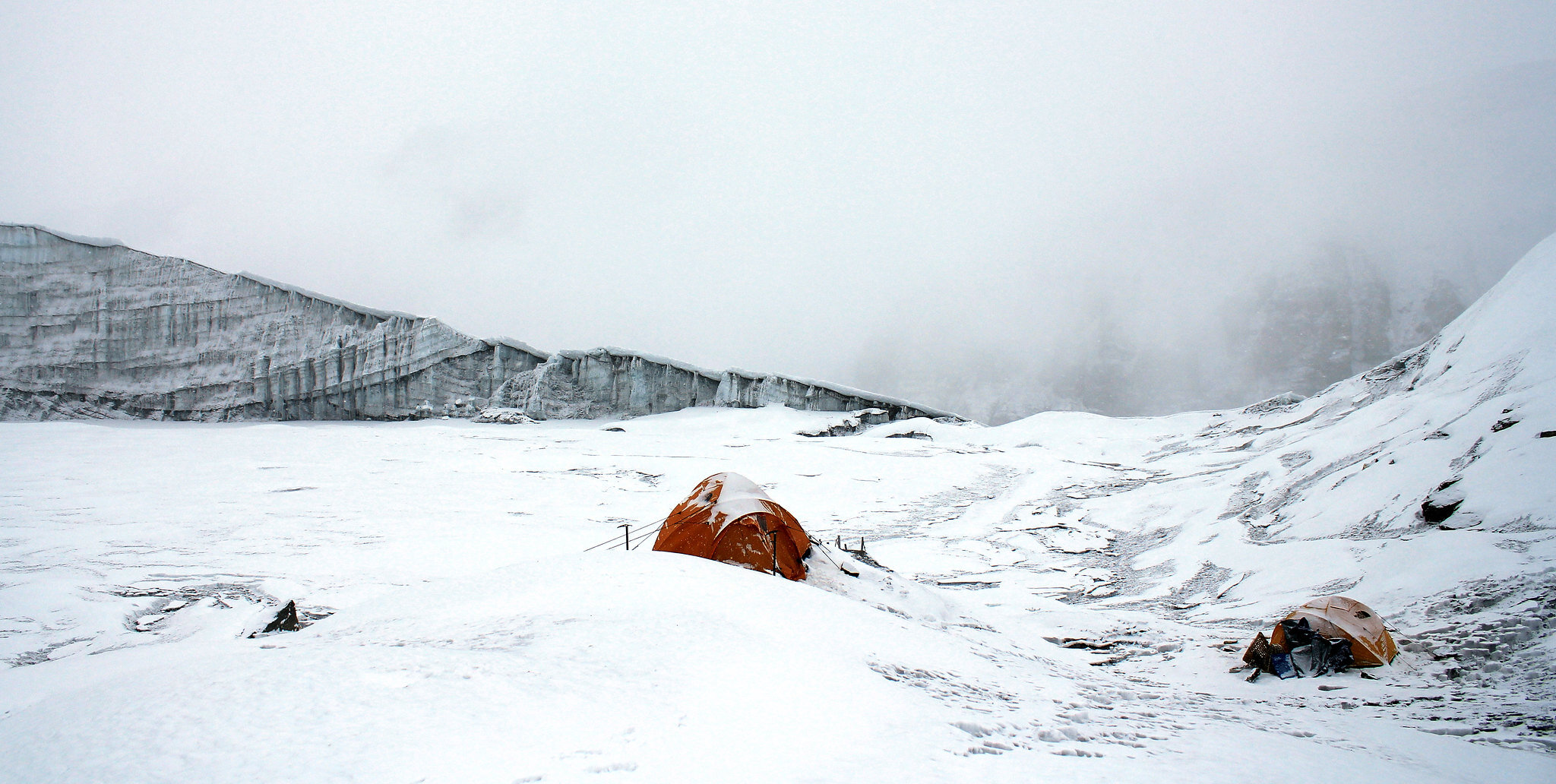
Chulu West high camp
Chulu-West climb is slightly longer for 6400M altitude. A total of 5-6 climbing days are required due to the nature of difficult terrains but the climb is possible. (2021 Spring expedition report).
For climbers, acclimatizing properly for high-altitude climbing trips is a must. Our expedition itinerary planning allows you to acclimatize to higher elevations, giving your body the time it needs to adjust to the altitude. With years of guiding experience and well-known scientific literature, we know that this is the only way for your body to adapt after gaining elevation. With that knowledge and experience, our team has built up the itinerary for this expedition.
On this climbing trip, we make sure your itinerary has high camp acclimatization combined with trekking gradually to higher elevations. Your body needs these adaptation periods when you are above 5000M+. This way you can experience alpine camping, enjoy the Himalayas all around you, and had gained enough strength to make your summit climb.
6. What training is required for this expedition? Can you suggest me a training plan?
Chulu West is by no means an easy climb like every mountain expeditions but this Chulu West or East climb is suitable for beginner to intermediate level climbers. Mountains are graded based on their technical and physical difficulties. For your training, we highly recommend climbers to focus on endurance and strength training. Any type of aerobic exercise, like long-distance running (10-15km) 3 to 4 times a week, cycling (1 hour – 2 hours), hiking gaining elevation with 10-15kgs weights on are some of the suggested training. We can also suggest high-intensity training like cross-fits are a good way to build your overall fitness or kettlebell training are also suggested.
7. How hard is Chulu West Peak climb?
Chulu West is graded at PD/3. (Alpine/fitness grading link).

Trail blazing on way to Chulu West high camp. Expect deep snow during spring expeditions.
Climbers are expected to be physically fit. The day leading to the summit is always the longest enduring and tough period of your itinerary. Breathing is always a challenge at high altitudes but with proper acclimatization done ahead of time, staying well hydrated, eating properly, your body should recover and adapt to the altitude.
Once you depart from high camp the real alpine challenge begins, mostly climbing on steep ice and snow surfaces. You will be walking for 4-6 hours to reach high camp. Summit day climb starts early (3 or 4 am) with the goal to reach the summit or near to the summit by sunrise. This will be the most challenging and rewarding part of the climb. You can expect to hike around 10+ hours on this day as you will have to summit and then descend back to high camp. All your previous physical training, your will, mental strength, and your grit for real adventure will take you through this final day and to the summit.
8. What are the clothing and gears – boots required for Chulu west climb (trekking and mountaineering)? Can I rent gears in Nepal?
Choosing the right gear is very important. We advise climbers not to make compromises on the quality of gears and clothing, and to pay attention to layer up comfortably as well. You will highly depend on your clothes to keep you warm, especially during nighttime when temperatures can go down to -10/-15. Please check our equipment blog for recommended clothing and gears.
Renting your gears in Nepal? We provide gear rentals exclusively for Real Sherpa Adventure clients during our climbs. All the gears are in the best condition, clean, and highest quality. Kailas equipment, black diamond, Mountain hardwear provides all-out mountaineering gears.
-
Boots (trekking and mountaineering) for Chulu West
With better technologies, climbing shoes have improved every year. We highly recommend double-layered boots like La Sport G2Sm or Scarpa phantom. It is wise to spend on good mountaineering boots, as so with all the gears that we have mentioned in this post above.
9. What types of foods are available during the expedition? Is clean water available and how much water intake is recommended?
We suggest all our clients drink 4-6 l of water every day. Staying hydrated will also help you with acclimatizing properly. It’s best to take hydration tablets or filtration bottles with you.
Most of the foods are prepared in the tea houses and during your climbing days, kitchen tents are set up by our Sherpa teams. You do not need to worry about food but remember to eat enough. In the high altitudes, your body will naturally want to reject food or avoid using energy on anything, which includes eating too. You might have to force yourself with the first few couple of bites and then eventually your body will start accepting the food. We also provide packed dried meals, so that clients have other options should they not want to eat what’s being cooked in the tents.
Remember to avoid smoking and any alcohol intake. You might see our guiding leaders smoking or drinking but remember they are professionals and they have adapted very well to these environments compared to the climbers who go there just for adventure holidays.
10. What trip insurance will I need for Chulu West expedition? Do I need helicopter evacuation to be included in my insurance cover?
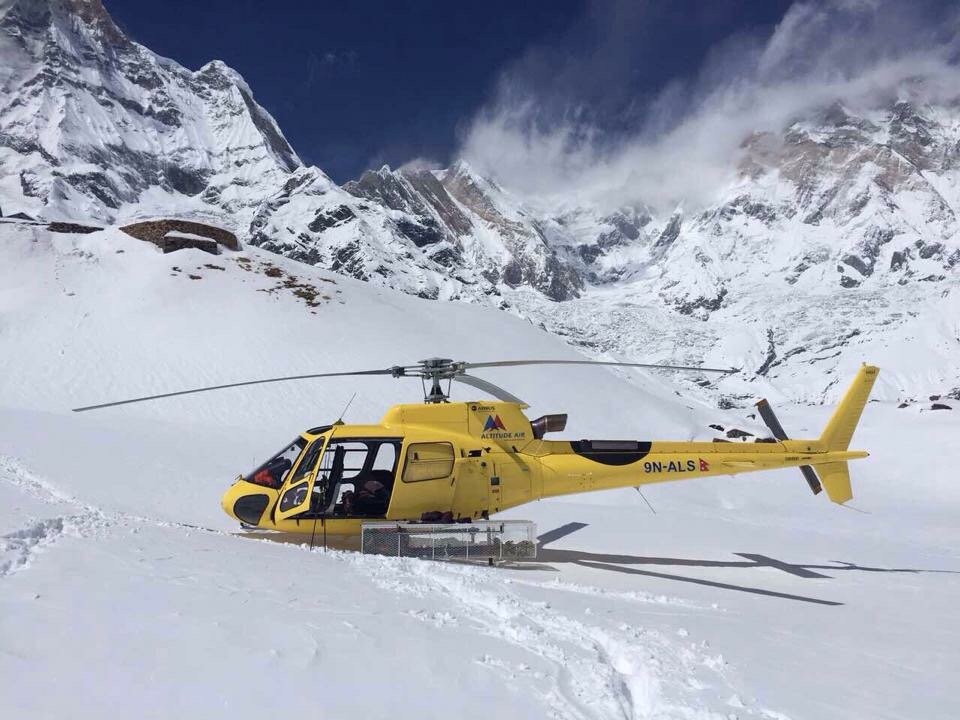
No matter how prepared you are, you never know when or how things might go wrong. You might be sick suddenly or not that we wish but there might be some incident, you might suffer from altitude sickness or anything we can’t imagine yet. So, for these reasons, it is always good to have insurance cover.
Helicopter evacuation is our final emergency option and we do recommend you have one in your insurance, as it is the only means of transport in the Everest region. Our guides will assess your condition and examine if it is a major issue. If not, they will use their experience to motivate and push you through your trip. However, in case of emergency, helicopter evacuation will be called upon.
There is a procedure to follow when calling for emergency evacuation. We will call the insurance company hotline, get approval with your insurance and only then helicopters are sent to the distress call location. You will have to pay for the evacuation in Nepal from your own pocket but once you are back home you can claim your money back. Make sure you collect helicopter evacuation receipts, certified doctor’s approval letter. The insurance company will ask for this evidence to back up your claim. There was a huge helicopter scam in Nepal during 2018, so insurance companies are taking extra measures to stop this from happening. Our guides and staff members in Kathmandu will also remind you of this process during briffing.
Chulu West Peak is a mountain climbing trip that every traveler should experience at least once. We hope the information we have provided will help you decide or prepare for your outing in the best way possible. If you are looking for a great climbing trip and have an amazing time in Nepal, join us on our Chulu West climbing expedition! You can be assured that you are provided quality services with our fun-loving yet professional guides who have 5 – 10+ years of taking clients on such peak climbing trips. After all, we do aim to be the best adventure specialist in the world and you having a great time, being safe and summiting will always be our priority.